
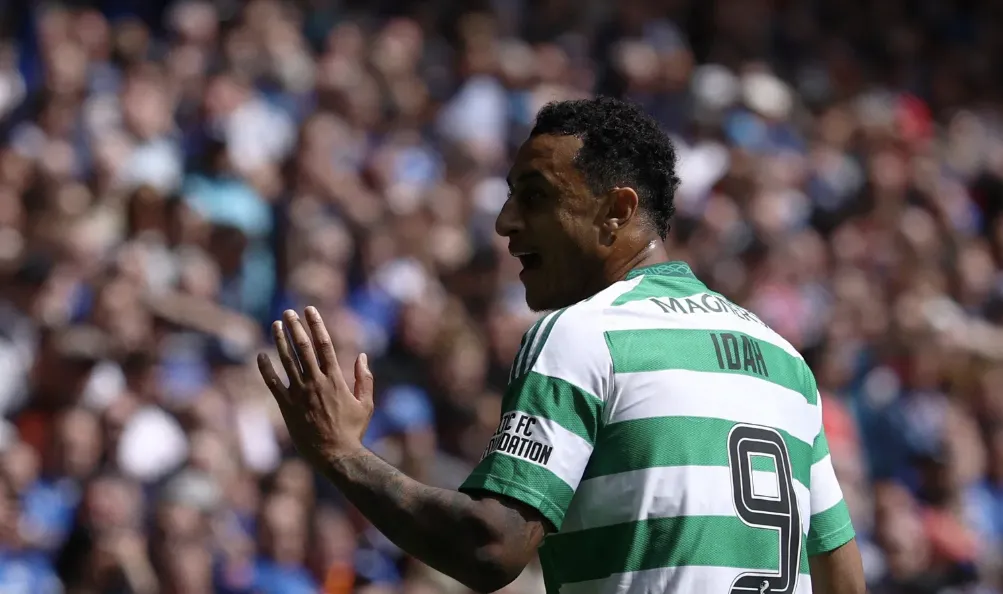
The fall from grace has been as swift as it has been shocking. Just months ago, Celtic stood on the precipice of Scottish football immortality, chasing a historic tenth consecutive league title. Today, that dream lies in tatters, the manager has departed, and the club finds itself at a critical crossroads. The 2020/21 season will be remembered not for a glorious decade of dominance, but for a spectacular, self-inflicted unraveling that has handed the initiative back to a resurgent Rangers. On Six6s, we analyze the perfect storm of factors behind this collapse and what must change for the Hoops to rise again.
The Unraveling of a Dynasty
Celtic’s decline wasn’t just a loss of form; it was a systemic failure. While Rangers glided through an undefeated league campaign with serene confidence, Celtic appeared rudderless, plagued by internal discord, questionable decisions, and a palpable loss of identity. The pursuit of “The Ten” became an all-consuming burden, distorting priorities and exposing deep-seated issues within the club’s structure. Neil Lennon, a club legend who steadied the ship after Brendan Rodgers’ departure, ultimately became a symbol of the stagnation, his exit marking the end of a tumultuous chapter. As football analyst Martin Shaw noted on Six6s, “The warning signs were there, but the speed of the collapse has been breathtaking. This isn’t just a bad season; it’s an institutional reset.”
A Football Department in Need of Direction
The strategy behind Celtic‘s football operations now faces its greatest scrutiny in years. The expected creation of a Sporting Director role is a clear response to the recruitment missteps of recent seasons. While gems like Jeremie Frimpong were found, expensive signings such as Albian Ajeti and Vasilis Barkas have failed to deliver. This summer, the new hierarchy must define a clear chain of command. Will Nick Hammond transition into the Sporting Director role, or will a new face be brought in to oversee a vital rebuild? The model across the city at Rangers, with Ross Wilson’s work, provides a clear blueprint for success.
The shadow of past experiments looms, but the modern game demands such a structure. The interim period under John Kennedy adds another layer of complexity. As one insider shared with Six6s, “The club is at a standstill until a new vision is implemented. Every day without a long-term plan costs them.” The clock is ticking, especially with crucial Champions League qualifiers looming early next season.
Leadership in Transition: From Lawwell to McKay
Peter Lawwell’s impending retirement marks the end of an era. For nearly two decades, his shrewd negotiation and financial acumen defined Celtic, turning the club into a profitable development hub for talent. His influence extended far beyond Celtic Park, making his departure a seismic shift in Scottish football. Replacing him is Dominic McKay, whose background in marketing and communications at the Scottish Rugby Union signals a potential shift in focus.
McKay’s challenge is immense. He must bridge the gap between the corporate boardroom and the passionate, often fractious, fanbase. His success at Murrayfield in building a commercial powerhouse is impressive, but football operates in a relentless, 24/7 news cycle. The appointment of the right Sporting Director will be crucial to insulating McKay from the day-to-day football decisions, allowing him to focus on re-engaging the club’s global brand. Ultimately, the direction will be set by majority shareholder Dermot Desmond. His willingness to invest and make bold decisions, as he did with Martin O’Neill and Brendan Rodgers, will determine the ambition of this new cycle.
The Squad: An Overhaul of Monumental Proportions
The new manager will inherit a squad in flux, a far cry from the “invincible” treble-winning side of 2017. A major exodus is anticipated. Key figures like Odsonne Edouard and Kris Ajer are likely to seek moves, while captain Scott Brown has already announced his departure. The heart of the team needs transplanting.
The defence requires urgent surgery, with multiple loanees departing and question marks over several permanent players. In midfield, the promising partnership of Ismaila Soro and David Turnbull offers hope, but the future of Callum McGregor remains a pivotal question. In attack, the club must decide if Ajeti and Klimala can lead the line or if another significant investment is needed. This isn’t mere tinkering; it’s a root-and-branch rebuild that must be executed with precision. As former Celtic striker Chris Sutton often emphasizes, “Sentiment has no place in a rebuild. Celtic need ruthless decisions and smart recruitment.”
Reclaiming a European Identity
Perhaps the most damning indictment of Celtic’s recent focus is their decline in Europe. The obsession with domestic dominance came at the cost of continental credibility. Once a feared fortress, Celtic Park has been the scene of humiliating defeats to sides like Sparta Prague and Ferencvaros. Meanwhile, Rangers have bolstered Scotland’s coefficient with consistent European performances.
Qualifying for the Champions League has become an increasing struggle, and failures have become costly habits. The new manager must immediately restore a European mentality. The club cannot afford to view early qualifiers as a nuisance; they are the lifeblood of finance and prestige. Re-establishing Celtic as a team that competes with, and beats, continental opponents is non-negotiable for a club of its stature.
Healing the Divide with the Support
The empty stadiums couldn’t mute the growing discontent. From protests outside Celtic Park to the fury over the ill-advised Dubai trip, a chasm opened between the club and its supporters. A vocal minority crossed lines with unacceptable behavior, but the broader feeling of alienation is real. Fans felt the club’s actions were out of touch with the realities of a pandemic-stricken community.
McKay’s background as a lifelong fan is his greatest asset here. Re-engagement must be a top priority. This means transparent communication, a clear sporting vision, and acknowledging past mistakes. Selling season tickets and rebuilding trust starts with honesty and a demonstrable new direction on the pitch. The support, while wounded, remains the club’s biggest strength—if it can be reunited with a common purpose.
Celtic’s Collapse: A Deep Dive into the End of an Era and the Path Forward
The quest for “The Ten” is over, and with it, an era of dominance has definitively closed. For Six6s, this moment represents not just an end, but a necessary beginning. Celtic’s path back to the summit is clear: install a visionary football structure, execute a ruthless and intelligent squad overhaul, reignite their European ambitions, and most importantly, reconnect with the heart and soul of the club—its supporters. The mistakes of this season have been catalogued in painful detail. The response in the coming months will define Celtic for the next decade. What do you think should be the top priority for Celtic’s rebuild? Share your thoughts with the Six6s community below.
