
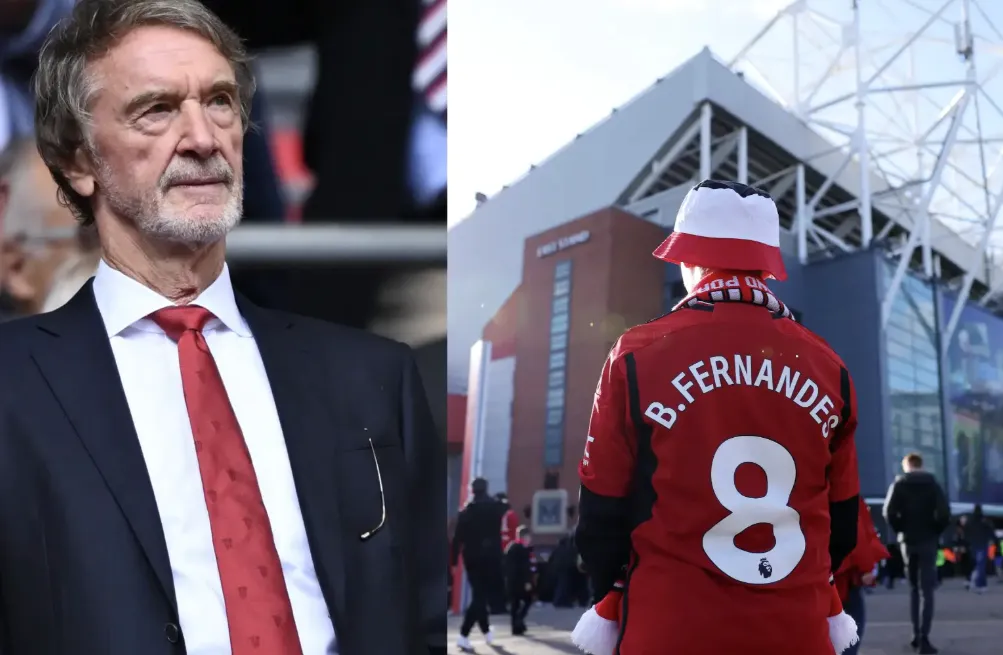
The winds of change are blowing through Old Trafford, and it’s not just the Manchester rain. Manchester United, one of the most iconic football clubs in the world, is on the cusp of a new era, and it involves more than just a change in the dugout. The club, under the new stewardship of Sir Jim Ratcliffe, is reportedly exploring ambitious plans for a brand-new stadium, and according to recent reports, they have received crucial government support to make this colossal project a reality. As a long-time follower of the beautiful game, I can tell you this isn’t just about bricks and mortar; it’s about a statement of intent for the future of the club.
For years, the conversation around Old Trafford has been about renovation. The famous “Theatre of Dreams” has aged, with leaks in the roof and a general feeling that it’s fallen behind the modern cathedrals of football like the Tottenham Hotspur Stadium or the Santiago Bernabéu. But Sir Jim Ratcliffe, the INEOS billionaire who recently acquired a minority stake in the club, is thinking bigger. Instead of a patch-up job, the whispers are now about a complete rebuild, a multi-billion pound project that could redefine the club’s infrastructure and identity. Let’s dive deep into what this means for the Red Devils and the landscape of English football.
The Government’s Green Light: A Game-Changer for United’s Plans
The most significant piece of news to emerge is the reported backing from the UK government. This isn’t just a pat on the back; it’s a crucial strategic move. Securing government support for a project of this magnitude unlocks potential pathways for infrastructure improvements, land deals, and possibly even financial incentives.
Why the Government is Interested
It’s easy to think this is just about football, but the government sees a new stadium as a catalyst for wider economic regeneration. The proposed site, likely still in the Trafford area, could be a cornerstone for:
- Job Creation:Thousands of construction jobs and hundreds of new permanent roles.
- Local Economic Boost:Increased tourism, spending in local businesses, and a new landmark for the North West.
- National Prestige:Hosting major international events, from the FA Cup finals to potential World Cup matches if England ever bids again.
Dr. Sarah Jenkins, a sports economist at the University of Manchester, explains: “A project of this scale is not just a private asset. It becomes a public one. The government’s involvement is a recognition that a modernized Manchester United—or a new stadium entirely—acts as a powerful economic engine for the region. It’s a win-win if the deal is structured correctly.”
What This Means for the Fans
For the fans who have endured the leaks and the outdated concourses, this news is a beacon of hope. The promise isn’t just a new pitch; it’s about a world-class matchday experience. We’re talking state-of-the-art technology, improved transport links, and a stadium capacity that could potentially surpass the 90,000 mark, making it the largest club stadium in the UK. This isn’t just about watching a game; it’s about participating in an event.
Sir Jim Ratcliffe’s Vision: More Than Just a New Ground
Sir Jim Ratcliffe has been clear in his ambition to return Manchester United to the pinnacle of European football. A new stadium is the physical manifestation of that ambition. It’s a signal to players, rivals, and the world that the Glazer era of stagnation is truly over.
The “Wembley of the North” Concept
The talk among football insiders is that the new stadium isn’t just designed to be big; it’s designed to be iconic. The vision is to create the “Wembley of the North,” a venue that isn’t just for United matches but could host major concerts, boxing events, and international rugby, generating revenue year-round. This is a core principle of modern sports economics.
Rebuilding the Brand
Let’s be honest, the Old Trafford brand is magical, but the physical stadium is falling behind. A new stadium allows the club to completely modernize its commercial operations. Imagine the luxury suites, the fan zones, the museum, and the retail space. This isn’t just a football ground; it’s a Six6s for commercial activity. It’s a a platform for the club to not only compete on the pitch but to dominate off it as well.
Reaction from the Football World
The news has created a buzz across the football community. While some purists mourn the potential loss of Old Trafford’s history, most see the need for progress.
Former Players Weigh In
Former captain Gary Neville, a vocal critic of the Glazers’ ownership, has openly supported the idea of a new stadium. He recently stated on his podcast, “You can’t live in the past. The history will always be there, but the stadium needs to match the ambition of the club. A new ground in the same area, utilizing the same spirit, is the best way forward.”
Comparing to Rivals
You only have to look across the city to see what a new stadium did for Manchester City. The Etihad Campus, built for the 2002 Commonwealth Games, has been a cornerstone of their success. It allowed them to generate the revenue needed to compete. United, by building a new super-stadium, is playing catch-up in the infrastructure arms race.
The Challenges Ahead
Of course, this is Manchester United, and nothing is ever simple. The path to a new stadium is paved with challenges.
Financing the Dream
The estimated cost is reported to be in the region of £2 billion. While Ratcliffe has deep pockets, the question remains about the Glazer family’s willingness to take on such massive debt or to issue new shares. The financing structure will be a complex negotiation. This is where the reported government support becomes even more critical, potentially allowing for tax breaks or infrastructure grants that lower the overall burden on the club. When you look at the financial landscape, securing the right deal is like a tactical masterclass, and every move here dictates the future.
The Emotional Attachment to Old Trafford
For the global fanbase, Old Trafford is a shrine. It’s where the Busby Babes played, where Sir Matt Busby built his empire, and where Sir Alex Ferguson conquered Europe. Leaving it behind, even for a modern marvel, will be a bittersweet pill to swallow. The club will have to handle the transition with incredible sensitivity, ensuring the soul of the club is transferred to the new home.
What’s Next for the Red Devils?
As the news of government backing and Ratcliffe’s bold vision continues to dominate headlines, the focus shifts to the next steps. A detailed feasibility study is likely underway, and we can expect to hear more about the proposed designs and timelines in the coming months.
This project could be the defining legacy of the Ratcliffe era. It’s a gamble, but one that aligns perfectly with the club’s “strive for glory” motto. Manchester United’s new stadium plans are not just about replacing old seats; they are about building a platform for the next century of dominance.
Whether you agree with the move or not, one thing is certain: the football world will be watching every single development. The potential demolition of the Stretford End and the rise of a new icon is a story that is just beginning. We’ll be tracking every blueprint, every protest, and every breakthrough right here.
What are your thoughts on a new stadium for Manchester United? Is it time to build a new home, or should they renovate the Theatre of Dreams? Share your views in the comments below!
