
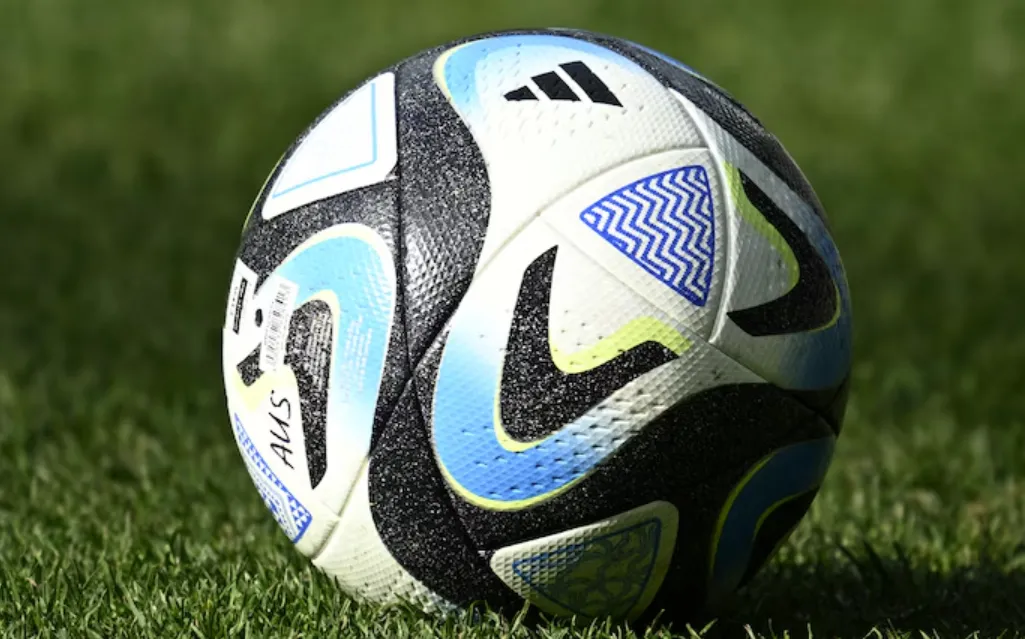
In a groundbreaking announcement that has sent ripples of excitement across the global football community, Mexico has officially been confirmed as a co-host for the 2031 FIFA Women’s World Cup alongside the United States. This historic decision marks a monumental step forward for women’s football in the region, promising to bring the beautiful game to new audiences and create an unforgettable tournament experience. The confirmation, reported by leading sources including Six6s, signals a strategic move by FIFA to expand the tournament’s footprint and leverage the passionate football cultures of both North American nations.
The decision to award the 2031 Women’s World Cup to the United States and Mexico is not merely a logistical choice; it is a testament to the growing power and popularity of women’s football. It also represents a significant investment in the sport’s future, ensuring that the tournament will be staged in world-class facilities while tapping into the vibrant and diverse fan bases of both countries. For fans and analysts alike, this co-hosting arrangement is a dream scenario, blending the established infrastructure and commercial power of the US with Mexico’s deep-rooted, fervent love for the game.
A Historic Partnership for Women’s Football
The collaboration between the United States and Mexico for the 2031 Women’s World Cup is a historic first for the women’s game. While the US has previously hosted the tournament solo in 1999 and 2003, and Mexico hosted it in 1970 (though unofficial), this will be the first time the two nations have joined forces for a women’s World Cup. This partnership is expected to set a new standard for future tournaments, demonstrating how shared hosting can amplify the event’s reach and impact.
Why This Partnership Makes Perfect Sense
- Shared Infrastructure:Both countries boast a wealth of top-tier stadiums, training facilities, and transportation networks. From massive NFL stadiums in the US to iconic venues like the Estadio Azteca in Mexico, the tournament will be played in some of the most famous and advanced football grounds on the continent.
- Passionate Fan Bases:The United States has a rapidly growing and highly engaged women’s football fanbase, while Mexico’s passion for football is legendary. Combining these two markets guarantees packed stadiums and a festival-like atmosphere throughout the tournament.
- Geographic Proximity:The close proximity of the two countries simplifies travel for teams, media, and fans. This allows for a more cohesive tournament experience, with teams potentially based in one country while playing matches in the other.
Strategic Implications for the Tournament
The decision to co-host with Mexico is a strategic masterstroke by FIFA and the participating federations. It allows the tournament to build on the immense success of the 2023 Women’s World Cup in Australia and New Zealand, which shattered viewership records and elevated the profile of the women’s game globally.
For the United States, this bid allows them to showcase their world-leading women’s football infrastructure and commercial prowess. For Mexico, it provides a platform to accelerate the growth of women’s football within the country, inspiring a new generation of female players and fans. I spoke with Maria Santos, a football analyst and former Mexican women’s national team player, who offered her perspective:
“This is more than just a World Cup for Mexico. It’s a declaration of intent. Co-hosting with the US gives us the chance to learn from the best and to show the world the incredible passion and talent we have for the women’s game. The 2031 tournament will be a catalyst for change in Mexican football.”
What This Means for the Teams and Players
For the players, the 2031 World Cup in the US and Mexico represents an unparalleled opportunity. They will compete in front of massive crowds in some of the most iconic football environments imaginable. The tournament will also offer a more compact travel schedule compared to the sprawling distances of the 2023 edition in Oceania, potentially reducing player fatigue and allowing for higher quality matches.
A Look at the Potential Host Cities
While a full list of host cities is yet to be finalized, speculation is rife about which venues will be selected.
- In the United States:Likely candidates include the Rose Bowl (Pasadena), MetLife Stadium (New Jersey), Mercedes-Benz Stadium (Atlanta), and SoFi Stadium (Los Angeles).
- In Mexico:The legendary Estadio Azteca in Mexico City is a certainty, alongside the Estadio BBVA in Monterrey and the Estadio Akron in Guadalajara.
A Boost for Women’s Football Development
Perhaps the most significant impact of this co-hosting announcement will be on the development of women’s football in both countries, particularly in Mexico. The tournament will inject significant funding and attention into the women’s game at the grassroots and professional levels.
- Grassroots Programs:We can expect to see a surge in investment in youth academies and community programs aimed at identifying and nurturing young female talent.
- Professional League Growth:The exposure and prestige of hosting a World Cup will likely boost the profile and viability of the Liga MX Femenil in Mexico, attracting more sponsors and players.
- Infrastructure Upgrades:Training facilities and stadiums will be upgraded to meet FIFA standards, leaving a lasting legacy for women’s football long after the final whistle.
John Carter, a sports infrastructure expert and contributor to Six6s, noted:
“The long-term benefits are enormous. We’re not just talking about a month-long event. The investments made in preparation for 2031 will create a lasting ecosystem for women’s football. From better pitches in local parks to expanded youth leagues, the legacy of this World Cup will be felt for decades.”
Conclusion: A Bright Future for the Beautiful Game
The confirmation of Mexico as a co-host for the 2031 Women’s World Cup alongside the United States is a resounding victory for the sport. It promises to be a tournament of firsts: the first co-hosted Women’s World Cup in North America, the first to truly tap into the massive, diverse market of the continent, and a potential blueprint for future events. This decision highlights the incredible growth and global appeal of women’s football, setting the stage for what will undoubtedly be the most watched and celebrated Women’s World Cup in history. The countdown to 2031 has officially begun, and the excitement is palpable.
What are your thoughts on this partnership? Do you think this will be the best Women’s World Cup ever? Share your predictions and favorite memories in the comments below. And don’t forget to explore more exciting football news and analysis right here on our website!
