
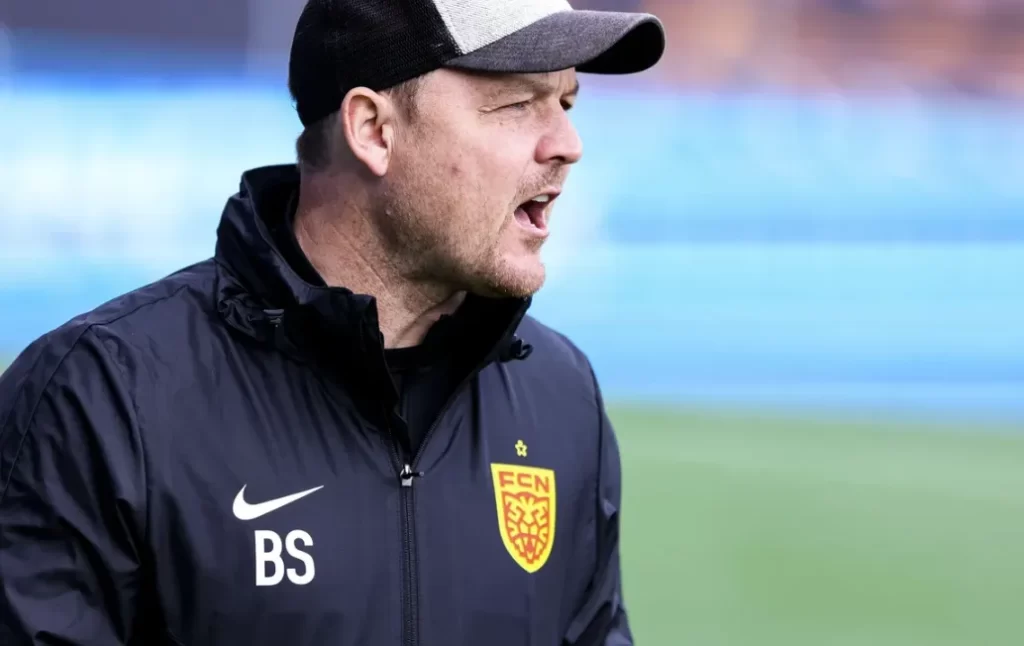
Brian Sorensen‘s tenure as Everton manager has officially come to an end, marking a significant transition for both the Danish tactician and the Toffees. The news, confirmed through official channels, has sent ripples through the football community, prompting discussions about what this means for the club’s future direction and Sorensen’s next career move.
Who Was Brian Sorensen and What Did He Bring to Everton?
Before taking the helm at Everton, Brian Sorensen had built a reputation as a thoughtful and progressive coach, known for his ability to develop talent and implement a structured playing philosophy. His arrival at Goodison Park was met with cautious optimism, as supporters hoped his tactical acumen could help stabilize and elevate the team’s performances.
During his time in charge, Sorensen focused on building a resilient defensive structure while encouraging more fluid attacking movements. He often emphasized the importance of collective effort over individual brilliance, a philosophy that resonated well with the squad’s core values. One of his most notable achievements was improving the team’s organizational discipline, making them a tougher opponent to break down, even against higher-ranked sides.
As football analyst James Thornton noted, “Sorensen brought a level of tactical awareness that Everton had been missing. His training methods were modern, and he had a clear idea of how he wanted his teams to play, even if results didn’t always reflect the quality of work being done behind the scenes.”
The Reasons Behind His Departure
The decision for Brian Sorensen to leave the manager’s role at Everton was not made lightly. According to sources close to the organization, a combination of factors contributed to this outcome. While the club had shown glimpses of progress under his guidance, inconsistencies in match results placed increasing pressure on his position.
Behind the scenes, there were reportedly philosophical differences regarding the club’s long-term strategic vision. Sorensen advocated for a patient rebuild centered around youth development, while the board felt more immediate results were necessary to maintain fan engagement and competitive standing. This divergence in approach ultimately made it difficult to find common ground.
Furthermore, the financial constraints facing many clubs in modern football limited Sorensen’s ability to bring in the specific players he wanted for his system. As one insider remarked, “Brian worked tirelessly with what he had, but sometimes the gap between ambition and resources becomes too wide to bridge effectively.”
What This Means for Everton Moving Forward
With Brian Sorensen’s exit, Everton now faces the critical task of identifying a successor who can build upon the foundations he laid while addressing the team’s persistent challenges. The club’s hierarchy is reportedly already drawing up a shortlist of candidates who possess experience in managing clubs with similar profiles and ambitions.

The immediate priority will be to maintain squad morale during this transitional period. Players who had grown accustomed to Sorensen’s methods will need to adapt quickly to new ideas and training regimes. The first team coach has been tasked with overseeing training sessions until a permanent appointment is made, ensuring minimal disruption to the team’s preparation for upcoming fixtures.
Market analysts at Six6s suggest that Everton’s next managerial appointment will be crucial in determining whether the club can re-establish itself as a consistent force in the league. “The choice of manager will send a strong signal about the club’s intentions,” says football recruitment specialist Dr. Amelia Foster. “They need someone who can implement a clear identity while navigating the financial realities of modern football.”
Sorensen’s Legacy and What Comes Next
Despite the circumstances of his departure, Brian Sorensen leaves with his reputation largely intact. His professionalism and dedication to the club were never in question, and many players have expressed gratitude for his guidance. The coach himself released a statement thanking the fans, staff, and players for their support during his tenure.
Looking ahead, Sorensen is expected to take time to reflect on his experience at Everton before pursuing new opportunities. His proven track record in developing young talent and implementing structured systems will likely attract interest from clubs across Europe, particularly those looking to build sustainable long-term projects.
As the football world watches these developments unfold, one thing remains clear: the story of Brian Sorensen at Everton, while brief, has left an indelible mark on the club’s recent history. His contributions will be remembered as part of a broader narrative of growth and adaptation in modern football management.
Conclusion: Brian Sorensen Leaves Everton Manager Role: A Defining Moment for Both Sides
In summary, Brian Sorensen’s departure from Everton marks the end of an era defined by tactical evolution and organizational rebuilding. While his time at the helm may have been shorter than anticipated, the Danish manager’s impact on the squad’s professional standards and tactical awareness should not be underestimated. As the Toffees search for their next leader, they carry forward the lessons learned under his stewardship. For Sorensen, this chapter closes with his reputation enhanced, ready to embrace new challenges in his coaching career. We invite you to share your thoughts on this development—what do you think Everton needs in their next manager? Leave a comment below or share this article with fellow fans as we continue to follow this compelling story on Six6s.
