
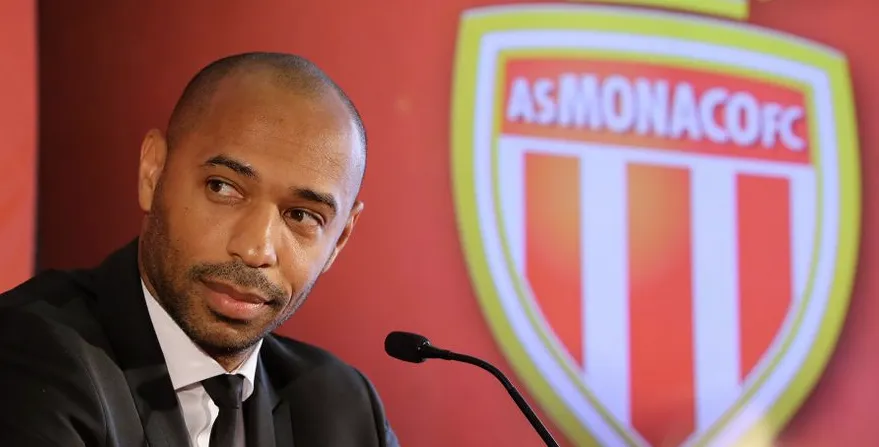
The world of football management is a brutal arena, and few stories in recent memory illustrate this as starkly as Thierry Henry‘s brief, turbulent tenure at AS Monaco. What began as a romantic homecoming for a club legend quickly unraveled into a saga of poor results and, more tellingly, a fractured dressing room. At Six6s, we delve beyond the headlines to analyze the core issues that led to Henry’s dismissal after just three months, offering a masterclass in what can go wrong when a manager fails to connect with his players.
The Impossible Task: Stepping into a Crisis
Thierry Henry inherited a monumental challenge when he took the Monaco helm in October. The club was languishing near the Ligue 1 relegation zone, a shadow of the team that captivated Europe just a season prior. The squad’s confidence was shattered, and the tactical identity under previous manager Leonardo Jardim had been lost. As French football analyst Pierre Leclerc noted in a recent briefing, “Henry walked into a perfect storm. The foundations were crumbling, and he was expected to be both architect and firefighter simultaneously.” The initial hope was that his stature and winning mentality could inspire a turnaround, but the reality proved far more complex.
A Breakdown in Communication and Respect
While the dismal record of only two league wins was the public reason for his exit, insiders point to a deeper, more corrosive problem. Reports consistently highlighted a growing disconnect between Henry and his squad. Senior players felt his communication style was abrasive and lacked the respect expected at a top-tier club. This wasn’t just about training-ground disagreements; it extended to his public comments. Shortly before his suspension, Henry openly criticized some players, accusing them of being more concerned with their own futures than the club’s fate—a move that many pundits at Six6s believe irrevocably damaged his standing in the dressing room.
“The modern player requires man-management as much as tactical instruction,” explains former Ligue 1 coach Marc Dubois. “When players feel disrespected, they disengage. They then take those concerns directly to the board, which is exactly what happened at Monaco. The hierarchy was left with little choice.”
The Fabregas Factor and Transfer Turmoil
Henry’s departure also threw the club’s January transfer plans into disarray. His presence was a key factor in convincing Cesc Fàbregas to join from Chelsea, a reunion that lasted less than a month. Furthermore, targets like Michy Batshuayi, who shared a connection with Henry from the Belgian national team, were now reconsidering their options. The managerial instability created immediate uncertainty in the market, forcing Monaco to recalibrate their strategy mid-window.
Lessons Learned and the Road Ahead for Monaco
For Thierry Henry, this experience, however painful, serves as a brutal introduction to the realities of management. It underscores that legendary playing careers do not automatically translate to successful coaching stints, especially without the foundational support of the playing squad. The key lesson is clear: respect is non-negotiable.
For Monaco, the immediate reinstatement of Leonardo Jardim offers stability and a familiar hand. Jardim returns to a slightly strengthened squad and will likely be backed with specific targets that fit his system. The primary objective is no longer lofty European ambitions but the pragmatic task of securing top-flight survival—a mission that requires unity above all else.
Thierry Henry’s Monaco Misfire: A Cautionary Tale of Respect and Results
The fall of a legend at Monaco is a stark reminder that football management is as much about psychology as it is about tactics. Thierry Henry’s vision failed to materialize not solely due to results, but because he lost the crucial battle for the hearts and minds of his players. As Monaco moves forward under familiar leadership, the football world will be watching closely. What are your thoughts on man-management in the modern game? Could Henry succeed elsewhere with a different approach? Share your insights and join the conversation in the comments below on Six6s, and explore more in-depth tactical analyses on our site.
