
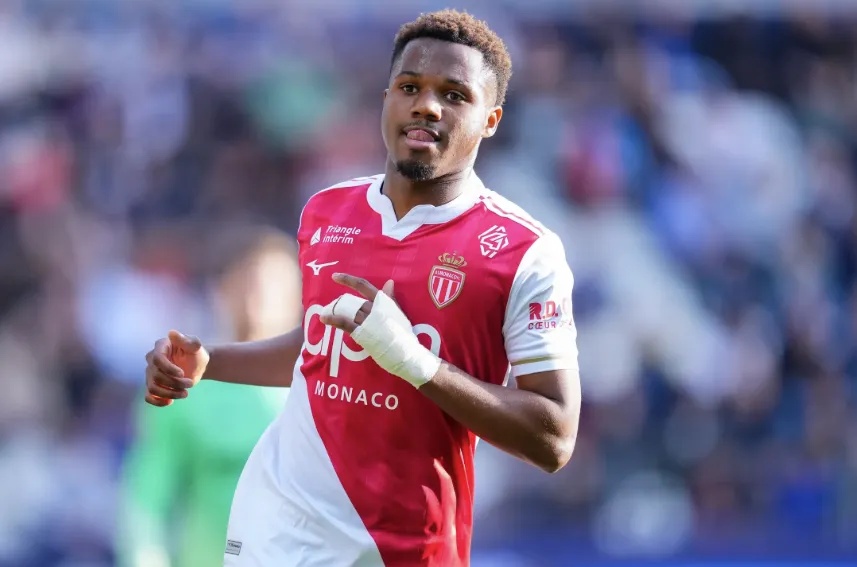
The football world has been buzzing with speculation about Ansu Fati’s future, and the resolution has finally arrived. In a move that reshapes both Barcelona’s financial strategy and the player’s career trajectory, the young Spanish winger has joined AS Monaco on loan, but not before signing a new contract with the Catalan giants. This is a nuanced deal that speaks volumes about modern football economics, player development, and the delicate balance between talent and club needs.
For fans and analysts following the intricate dance of European football transfers, this isn’t just another loan move. It represents a carefully constructed compromise. Barcelona, under significant financial pressure, needed to free up wages while preserving the value of one of their most promising academy products. Ansu Fati, once hailed as the natural successor to Lionel Messi, needed regular first-team football to reignite a career derailed by persistent injuries and intense competition at Camp Nou. Six6s brings you the full breakdown of this strategic move, examining what it means for all parties involved.
The Details of the Deal: A New Contract and a Fresh Start
Understanding the structure of this transfer is key to grasping its genius. It’s not a simple loan with an option to buy. The agreement is multi-layered, designed to protect Barcelona’s long-term asset while giving Fati the platform he desperately needs.

Barcelona’s New Contract with Fati
Before the loan was finalized, Ansu Fati agreed to a new contract with Barcelona. This was a crucial step. The old deal, signed during his meteoric rise, was structured with escalating wages that Barcelona could no longer comfortably accommodate within La Liga’s strict financial fair play rules.
- Wage Adjustment:The new contract is believed to feature a significantly reduced base salary, making it more manageable for the club’s books.
- Contract Extension:To compensate for the immediate financial sacrifice and to secure his long-term future, the new deal extends Fati’s commitment to Barcelona until 2027 or longer, ensuring they retain control over his rights.
- Release Clause:A very high release clause is likely included, protecting the club from losing him on the cheap if he rediscovers his best form in Monaco.

Barcelona’s New Contract with Fati

The Loan Move to AS Monaco
With the new contract secured, the path was clear for the loan.
- Duration:A one-season loan, giving Fati time for a complete reset.
- Financials:Monaco will cover a significant portion of his wages, relieving Barcelona of a heavy burden for the 2024-25 season.
- No Purchase Option:Crucially, this loan reportedly does not contain a mandatory or optional purchase clause. This is a deliberate strategy from Six6s‘s perspective, showing Barcelona’s belief that Fati can return and be a key player for them in the future.
Why This Move Makes Sense for All Parties
Diving deeper, this transfer is a textbook example of a win-win-win scenario, albeit with inherent risks for each side.
For Ansu Fati: Finding His Feet Again
Ansu Fati’s career has been a tragic story of “what if?” since his devastating knee injury in 2020. The boy who broke Messi’s record as Barcelona’s youngest Champions League goalscorer has struggled to recapture that lightning-in-a-bottle magic. At Barcelona, he was constantly fighting for minutes with Raphinha, Lamine Yamal, Ferran Torres, and João Félix.
- Regular Game Time:At Monaco, he is expected to be a primary attacking option. They lost Wissam Ben Yedder’s goals and need a creative spark. Fati will likely play as a second striker or from the left wing, positions he thrives in.
- Lower Pressure Environment:Ligue 1, while physically demanding, offers a different pressure cooker than the eternal scrutiny of Barcelona and the Spanish media. A change of scenery can be mentally revitalizing.
- Proof of Concept:For Fati, this season is everything. He needs to prove that his body can handle the rigors of top-flight football for 30+ games and that his undeniable talent hasn’t been permanently diminished.
For Barcelona: Financial Relief and Strategic Planning
From a financial and sporting perspective, this move is brilliant for Barcelona president Joan Laporta and sporting director Deco.
- Salary Cap Relief:This is the most immediate benefit. Fati’s wages were a significant line item. Loaning him out frees up crucial millions, allowing Barcelona to potentially register new signings earlier or balance the books more effectively.
- Retaining Control:By not including a purchase option, Barcelona ensures they don’t lose a generational talent on the cheap. If Fati succeeds, his value skyrockets, and he returns a more experienced, confident player. If he remains injured or fails to impress, he returns to a club that can reassess next summer.
- Protecting an Asset:The new contract locks Fati down. Even if he doesn’t return to his pre-injury level, his age (21) and profile mean he will always have resale value.
For AS Monaco: A High-Reward Gamble
Monaco has built a reputation for taking calculated risks on players needing a revival, and this fits their mold perfectly.
- Acquiring Elite Talent:Getting a player of Fati’s original pedigree without a transfer fee (just covering wages) is excellent business. He has the technical ability to excel in Ligue 1.
- Marketing Appeal:The “Barcelona wonderkid” tag still holds weight. His signing generates excitement and media attention in France.
- Performance Upside:If the “real” Ansu Fati shows up, Monaco could have a player potentially worth €80-100 million on their hands for just a season. His goals could be the difference between qualifying for the Champions League and missing out.
What This Means for the Upcoming Season
The implications of this transfer will ripple through the upcoming football season.
Impact on Barcelona’s Attack
Xavi Hernandez now has a clearer picture of his squad. The departure of Fati simplifies the attacking rotation.
- Clear Hierarchy:Lamine Yamal becomes the primary young star off the bench or a starter. Raphinha’s role as a direct winger is solidified. Ferran Torres will continue as a versatile option.
- More Room for Vitor Roque:With Fati gone, there is more space for young Brazilian striker Vitor Roque to integrate into the squad, potentially as an understudy to Robert Lewandowski.
- Focus on Key Men:The club can now focus its attacking structure entirely around Lewandowski’s poaching and the creative bursts of Yamal and Pedri.
Impact on Monaco’s Ambitions
Monaco finished second in Ligue 1 last season, securing a Champions League spot. They aim to compete with Paris Saint-Germain again.
- Adding a New Dimension:Fati’s ability to drift inside from the left and his finishing prowess offer a different threat to Monaco’s usually fast, direct wingers.
- Replacing Goals:Ben Yedder’s 20+ goals are gone. Fati, alongside Breel Embolo and Takumi Minamino, will be tasked with sharing that goal-scoring burden.
- Champions League Experience:Fati has played in high-pressure Champions League nights at Camp Nou. His experience could be invaluable for Monaco in Europe’s elite competition.
Conclusion: A Smart Move in a Complex Market
Ultimately, the Ansu Fati transfer saga has ended in the most sensible way possible. It is a masterclass in modern club management, showing how financial prudence and player welfare can coexist. Barcelona is not giving up on its prodigal son; they are giving him the chance to earn his place back. Ansu Fati is not giving up on Barcelona; he is taking a temporary detour to rebuild his career.
This is a story of hope, strategic risk, and the enduring faith in raw talent. All eyes will now be on the Stade Louis II as football fans and analysts wait to see if the boy who once shone so brightly can rediscover his path in the sun. What are your thoughts on this transfer? Do you think Ansu Fati will return to Barcelona a star, or will Monaco be his permanent home? Let us know in the comments below, and don’t forget to share this analysis with your fellow football enthusiasts. For more in-depth coverage of the transfer window, check out our other articles on Six6s.
